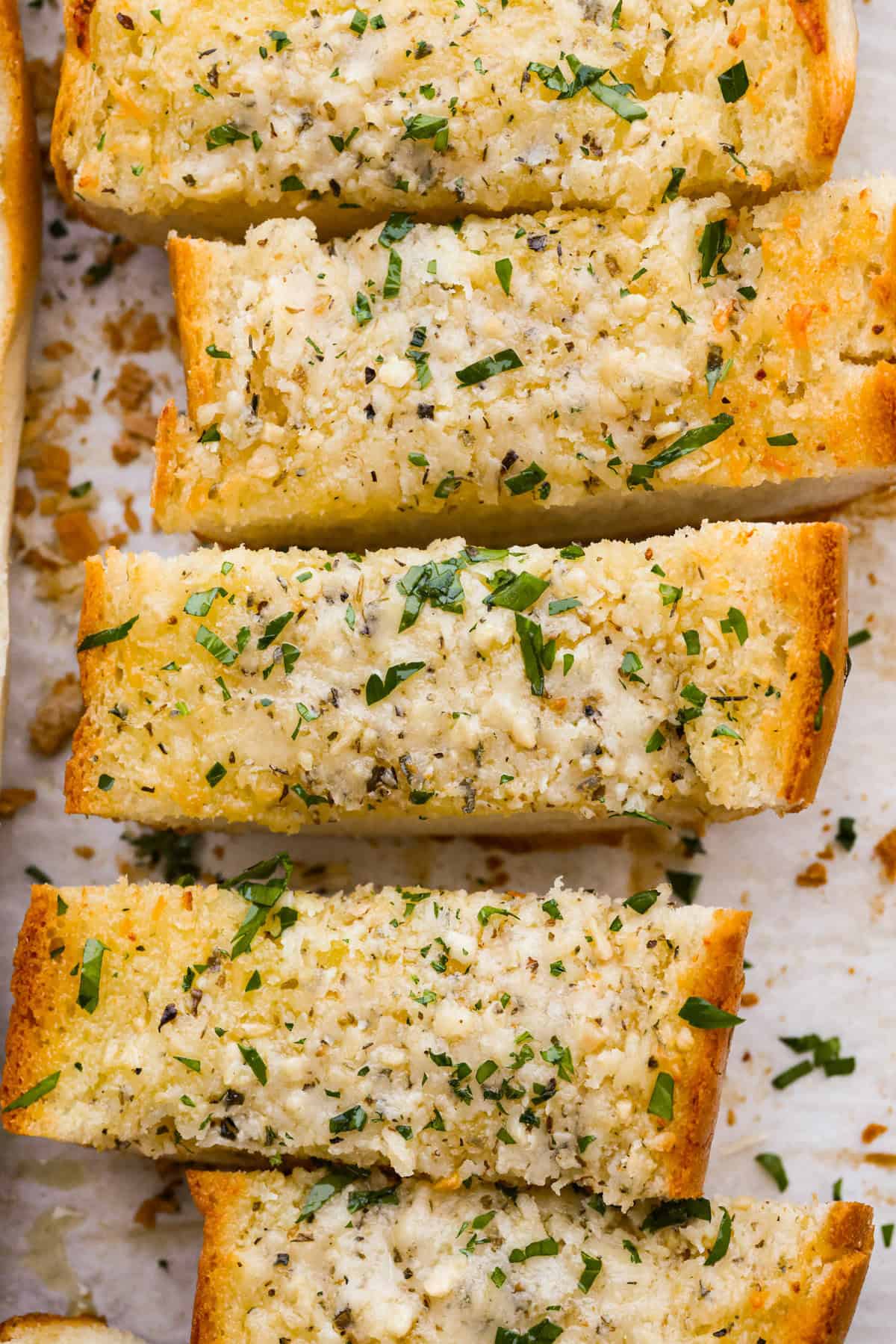
The Irresistible Allure of Homemade Garlic Bread
Few culinary delights can rival the comforting aroma and satisfying crunch of perfectly baked garlic bread. It's the ultimate sidekick to a hearty pasta dish, a comforting accompaniment to a steaming bowl of soup, or simply a delicious snack on its own. While store-bought frozen options offer convenience, they often fall short in delivering that truly fresh, robust garlic flavor and ideal texture. The good news? Crafting the best homemade garlic bread is surprisingly simple, transforming humble ingredients into an extraordinary treat that will have everyone asking for more.
Imagine a golden-brown crust, crisp yet tender, giving way to a soft, pillowy interior infused with a luxurious blend of fragrant garlic and rich butter. That's the magic we're about to unlock. Our easy recipe and expert tips will guide you through creating a garlic bread experience that far surpasses anything you'll find in the freezer aisle. Get ready to elevate your meals and impress your taste buds with this timeless classic.
Why Homemade Garlic Bread Reigns Supreme: Freshness You Can Taste
Once you experience the unparalleled taste of freshly made garlic bread, there's truly no going back. The difference between homemade and pre-packaged versions is stark, primarily boiling down to the quality and freshness of ingredients. Frozen garlic bread often relies on processed oils, powdered garlic, and preservatives, leading to a muted flavor profile and sometimes a greasy texture. In contrast, making it from scratch allows you to control every element, ensuring a superior sensory experience.
- Unrivaled Flavor: The star of the show, fresh garlic, is irreplaceable. When gently cooked in butter, it releases an intoxicating aroma and a complex, mellow flavor that powdered garlic can't replicate. This golden garlic butter forms the soul of our recipe.
- Perfect Texture: Achieving that coveted balance of a wonderfully crisp exterior and a soft, airy interior is easier than you think with fresh bread and the right baking technique. You avoid the often soggy or overly dry texture common with frozen varieties.
- Ingredient Control: You choose the best quality butter, the freshest herbs, and decide on the exact amount of garlic and cheese. This means not only a better taste but also a healthier option, free from unnecessary additives.
- Customization: Want more garlic? Less salt? A sprinkle of a different herb? Homemade allows for endless personalization, catering to your specific preferences.
If you're still on the fence about ditching the frozen aisle, read more about the definitive advantages in our detailed comparison: Homemade vs. Frozen Garlic Bread: Why Fresh is Always Best.
Crafting the Perfect Loaf: Ingredients & Prep for the Best Garlic Bread
The foundation of exceptional garlic bread lies in selecting the right bread and complementary ingredients. This isn't just about taste; it's about texture and how well the bread absorbs that glorious garlic butter.
Choosing Your Bread: The Sturdy Foundation
The type of bread you use is paramount. You need a loaf with a sturdy crust and a soft, open crumb that can absorb flavor without becoming soggy. Avoid soft sandwich breads or brioche, which are too flimsy for this application.
- French Bread or Italian Bread: These are classic choices for a reason. Their elongated shape and robust crust make them ideal.
- Ciabatta or Artisan Loaves: Known for their chewy texture and irregular holes, these breads create pockets for the garlic butter to seep into, resulting in incredibly flavorful bites.
- Baguette: Perfect for a smaller, more individual serving, offering maximum crust-to-interior ratio.
Whether bakery-fresh or homemade, a good quality, crusty loaf will make all the difference. For deeper insights into bread choices and their impact on your final product, check out: Achieve Perfect Pull-Apart Garlic Bread: Bread & Ingredient Secrets.
Essential Ingredients for Your Garlic Butter
Beyond the bread, a few simple, high-quality ingredients are all you need:
- Butter: Opt for unsalted, good quality butter. It forms the rich base for our garlic infusion. An 8-Tablespoon (1 stick) softened butter is typically enough for a standard loaf.
- Fresh Garlic: This is non-negotiable. Aim for 3-4 medium-sized cloves, finely minced, which typically yields about 4 teaspoons. Fresh garlic provides the vibrant, pungent flavor we're after.
- Fresh Parsley: Finely chopped fresh parsley (curly or flat-leaf) adds a pop of color and a fresh, herbaceous note that brightens the rich butter and garlic.
- Parmesan Cheese: Freshly grated Parmesan from a block is vastly superior to pre-grated varieties, which often contain anti-caking agents that hinder melting and flavor. It adds a salty, umami depth and a delightful crispy texture. Feel free to skip it if you prefer a dairy-free version or don't have it on hand.
- Salt: A pinch of flaky sea salt or regular table salt enhances all the flavors.
The Art of Prepping Your Loaf
Start by arranging an oven rack in the center and preheating your oven to a hot 450°F (230°C). This high heat is key to achieving that perfect golden crispness.
- Slice Lengthwise: Using a serrated bread knife, carefully slice your chosen loaf in half horizontally, exposing the soft interior.
- Create "Pull-Apart" Sections: Lay the bread halves cut-side up on a rimmed baking sheet. Now, slice each half crosswise at approximately 2-inch intervals, but be careful *not* to cut all the way through the bottom crust. This creates a "pull-apart" effect, allowing the garlic butter to penetrate deeply and making serving incredibly easy.
The Easy Recipe: Step-by-Step for Irresistible Garlic Bread
Now that your ingredients are ready and your oven is preheating, let's assemble the magic.
- Melt & Infuse the Butter: In a small skillet, melt the butter over medium heat. Add the finely minced fresh garlic. Cook, stirring occasionally, for about 2-3 minutes. You want the butter to turn a lovely golden hue and the garlic to become incredibly fragrant, without browning or burning. This gentle cooking mellows the garlic's sharpness while enhancing its aromatic qualities.
- Brush with Garlic Butter: Liberally brush the crusts of your bread halves with the fragrant garlic butter. Then, turn the bread cut-side up. Using a pastry brush, generously coat all the cut surfaces, ensuring the golden garlic bits are evenly distributed and seep into every crevice of those pull-apart slices. Don't be shy – use all the garlic butter! This ensures maximum flavor.
- Season with Cheese and Salt: Evenly sprinkle the freshly grated Parmesan cheese over the buttered bread halves. Add a small pinch of salt, remembering that Parmesan is already quite salty.
- Bake to Golden Perfection: Carefully transfer the baking sheet with the bread into your preheated oven. Bake for 10 to 15 minutes. The precise time will depend on your oven and the thickness of your bread. Watch for the edges of the bread to turn a deep golden brown and the cheese to become bubbly and slightly crispy.
- Finish and Serve Warm: Once baked, remove the garlic bread from the oven. Immediately sprinkle generously with freshly chopped parsley. Serve warm, allowing guests to easily pull apart individual, buttery, garlicky slices.
Expert Tips & Variations for Your Best Garlic Bread Ever
While our classic recipe is perfection, a few expert tips and simple variations can make your homemade garlic bread truly legendary.
- Make-Ahead & Freezer Friendly: This recipe is fantastic for meal prep! Prepare the garlic bread up to the point of baking (after spreading the garlic butter and cheese). Wrap the unbaked loaves tightly in aluminum foil, then place them in a freezer-safe bag. Freeze for up to 3 months. When ready to bake, place the frozen foil-wrapped bread directly into a 400°F (200°C) oven for 25-30 minutes, then unwrap and bake for another 5-10 minutes until golden and crisp.
- Roast Your Garlic: For a milder, sweeter, and more complex garlic flavor, consider roasting whole garlic heads before mincing them into your butter. This mellows the pungency significantly.
- Herbaceous Twists: Beyond parsley, experiment with other fresh herbs. A sprinkle of fresh oregano, thyme, or a blend of Italian herbs can add a wonderful dimension. Dried herbs can also work in a pinch, just use less (about 1/2 teaspoon for every tablespoon of fresh).
- Cheese Lovers Unite: For an extra cheesy experience, sprinkle some shredded mozzarella or provolone over the Parmesan during the last 5 minutes of baking. This creates an incredible, melty pull. Pecorino Romano is another excellent, saltier alternative to Parmesan.
- Spice It Up: A tiny pinch of red pepper flakes mixed into the garlic butter can add a subtle kick, perfect for those who enjoy a bit of heat.
- Serving Suggestions: While the perfect companion to red-sauce pasta, garlic bread also shines alongside grilled meats, roasted vegetables, as a side for a green salad, or simply dipped into your favorite soup.
- Don't Rush the Garlic Butter: That 2-3 minutes of cooking the garlic in butter is crucial. It develops depth of flavor and takes away the harsh raw garlic bite.
Conclusion
Ditching the frozen aisle for homemade garlic bread is one of the most rewarding culinary decisions you can make. With just a handful of fresh ingredients and a few simple steps, you can create a side dish that is bursting with flavor, offers an irresistible texture, and truly elevates any meal. From the moment the fragrant garlic butter hits the warm bread to the satisfying crunch of that first bite, you'll understand why this classic remains a beloved staple. So, gather your ingredients, follow our easy recipe, and prepare to enjoy the best homemade garlic bread you've ever tasted.
